
How to Generate More Customer Inquiries with a Corporate Website

To generate more customer inquiries through a corporate website, brand messaging, service pages, contact flows, SEO, and analytics should be planned as part of the same experience.
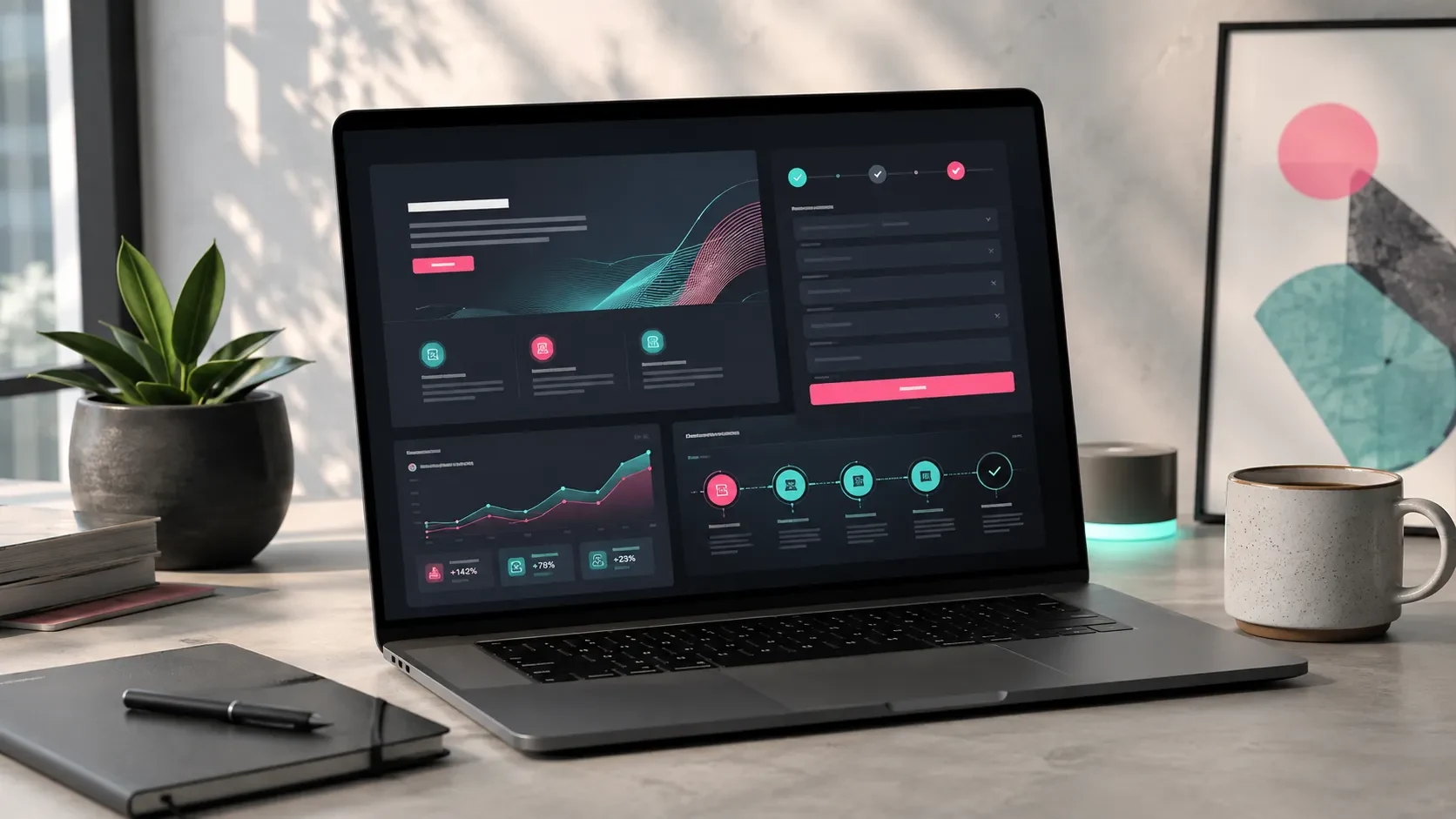
A corporate website is one of the brand’s primary digital touchpoints. When potential customers search for the company, explore its services, consider requesting a proposal, or compare different providers, the website plays an important role in the decision-making process.
For this reason, simply introducing the company is not enough. A corporate website should help visitors find the right information, build confidence in the brand, understand which service fits their needs, and contact the company easily.
To generate more customer inquiries, website design, content structure, service pages, forms, SEO infrastructure, performance, and analytics should be planned together. When these areas work as one system, the website becomes a stronger part of the brand’s digital sales process.
Brand Messaging Should Be Clear Above the Fold
When visitors arrive on the website, they should quickly understand what the company does, who it works with, and what kind of value it provides.
That makes the first screen of the homepage particularly important.
A well-structured hero section should answer questions such as:
What does this company do?
Who does it work with?
What need does it address?
Where should the visitor go next?
What action should someone take if they want to get in touch?
To generate customer inquiries through a corporate website, the main message should be clear, concise, and directional.
Instead of broad statements, headlines should communicate the company’s actual value more directly.
For example, a generic phrase such as “We provide professional solutions” gives the visitor very little context. A message that clearly explains the service and the audience it is designed for creates a stronger starting point.
When visitors understand what they can get from the company, they are more likely to continue exploring the website and eventually get in touch.
Service Pages Should Support the Decision-Making Process
Service pages are among the most important areas of a corporate website for generating customer inquiries.
Visitors may arrive directly on a service page through search engines, advertising, internal links, or the homepage.
A service page should therefore do more than list the name of the service.
Each page should help visitors understand the service and connect it with their own needs.
A strong service page may include:
Who the service is suitable for
What need it addresses
How the process works
Which areas are covered within the project
What the deliverables include
Frequently asked questions
Related articles and resources
A clear path to request a proposal or contact the team
This structure supports the visitor throughout the decision-making process.
As service pages become clearer and more useful, the website evolves from a platform that simply provides information into a system that actively supports customer acquisition.
For a broader look at website structure, you can read our guide on which pages should be on a corporate website.
The Visitor Journey Should Be Planned
Not every visitor arrives with the same level of knowledge or intent.
Some visitors are discovering the brand for the first time. Others are comparing services. Some are already ready to request a proposal.
The website should therefore support different visitor journeys.
For example, one visitor might follow this path:
Homepage → Service Page → Related Article → Proposal Form
Another might follow:
Google Search → Blog Article → Service Page → Contact
When these journeys are planned intentionally, buttons, internal links, content blocks, and form areas can be positioned more strategically.
The goal is to help visitors reach the right information and the appropriate next step without making the experience feel forced.
A well-planned journey makes the website easier to navigate and creates a more natural path toward contacting the company.
Proposal Forms Should Be Simple and Reassuring
For corporate websites designed to generate customer inquiries, the proposal form is a critical part of the experience.
If the form feels too long, unclear, or complicated, visitors may leave without completing it.
A well-designed form should make it easy for potential customers to describe what they need.
Depending on the type of project, fields may include:
Full name
Email
Phone number
Company name
Project type
Budget range
Project details
Preferred communication channel
The number of fields should be balanced according to the type of inquiry the business wants to receive.
A shorter form may work well for an initial conversation. Companies that want more qualified inquiries may also ask for information such as project type, budget range, and project details.
A short explanation next to the form can also strengthen confidence.
For example:
“We’ll review your project and get back to you with a clear roadmap.”
This tells visitors what will happen after they submit the form.
When the next step is clear, reaching out feels more predictable and comfortable.
CTA Areas Should Be Positioned Throughout the Page
A CTA, or call to action, guides visitors toward the next step.
Buttons such as “Tell Us About Your Project,” “Request a Proposal,” “Contact Us,” or “Explore the Service” are all part of this structure.
If the only CTA appears at the very bottom of a page, some visitors may leave before reaching it.
CTA areas should therefore be placed naturally throughout the content journey.
Useful locations may include:
Homepage hero section
Service introduction sections
End of service pages
Within relevant blog articles
After frequently asked questions
Contact sections
Transitions within landing pages
The important point is that every button should not simply repeat the same message.
The CTA should reflect the visitor’s context.
For example, “Tell Us About Your Project” may work naturally on a service page, while “Explore Our Corporate Website Services” may create a smoother transition from an educational blog article.
Trust Signals Should Be Easy to Find
Before a visitor becomes a customer inquiry, they need to feel confident about the company.
That confidence is created through more than visual design.
Content, references, process explanations, team information, and technical expertise all contribute to how trustworthy the brand feels.
Useful trust-building elements may include:
Selected projects
Client testimonials
Process explanations
Team and expertise information
Technologies used
Frequently asked questions
Blog articles and guides
Clear contact details
Company information
Post-launch support approach
These elements help answer an important question:
What will it be like to work with this team?
Process confidence is particularly important when customers are evaluating professional services.
For software companies such as Codezone, technical confidence also matters.
Clearly explaining CMS infrastructure, SEO, performance, integrations, and launch processes makes it easier for potential customers to evaluate the project and understand what they are investing in.
SEO Should Capture the Right Search Intent
A strong homepage alone is not enough to consistently generate inquiries through a corporate website.
Service pages, blog articles, and guides can also support search visibility and bring visitors into the website at different stages of the decision process.
Potential customers may search for phrases such as:
Corporate website development
Corporate website pricing
Website development proposal
What should a corporate website include?
Website redesign process
SEO-friendly website
Website management with a CMS
Content created around these search intents can attract more qualified visitors.
The goal is not simply to generate traffic.
Content should also guide visitors toward the relevant service page and eventually toward a meaningful contact step.
For a deeper look at the technical and content foundations of organic visibility, you can read our guide on how to develop an SEO-friendly corporate website.
Content Should Make the Visitor’s Decision Easier
Corporate website content should clearly answer the questions visitors are likely to have.
When services, process, deliverables, pricing factors, and communication steps are easy to understand, visitors can move through the decision-making process with greater confidence.
The website should clearly communicate:
What does the company do?
Which services does it provide?
Who are the services suitable for?
How does the process work?
How is project scope defined?
How is the post-launch process managed?
What happens after the visitor gets in touch?
When these questions are answered clearly, the website acts as a guide.
A website that guides visitors effectively creates a much stronger path toward customer inquiries.
For a more detailed look at content planning, you can read our guide on how to prepare content for a corporate website.
Mobile Experience and Performance Affect Inquiry Generation
A significant share of corporate website visitors may arrive from mobile devices.
Mobile experience therefore has a direct impact on the inquiry process.
Important areas to consider on mobile include:
Navigation structure
Heading readability
CTA visibility
Easy-to-complete form fields
Page speed
Fast-loading images
Comfortable navigation across service pages
Accessible WhatsApp and phone actions where relevant
When the website loads quickly, content is easy to read, and forms are comfortable to complete on mobile devices, visitors have a clearer path toward getting in touch.
Performance may appear to be primarily a technical subject, but it is also an important part of user experience.
This becomes even more important for landing pages receiving paid advertising traffic, where page speed can influence form completion and overall campaign efficiency.
Opportunities for Improvement Become Visible Through Analytics
To generate more customer inquiries through a website, the team needs to understand which pages, forms, and traffic sources perform most effectively.
Analytics should therefore be planned during the project rather than added as an afterthought.
Useful events and metrics may include:
Page views
Service page visits
Form submissions
WhatsApp clicks
Phone clicks
CTA button clicks
Visits from blog articles to service pages
Advertising conversions
Organic traffic performance
This data makes continuous improvement possible.
Teams can identify which pages generate more inquiries, which articles successfully direct visitors toward services, and which forms convert more effectively.
Analytics turns the website into an evolving digital product.
Post-launch decisions can then be supported by actual user behavior rather than assumptions.
Create a Post-Launch Growth Plan
The development of a corporate website continues after launch.
New service pages, blog articles, project references, campaign pages, form improvements, and SEO work can all be added over time.
A post-launch growth plan may include:
Producing new content
Expanding service pages
Monitoring form conversion rates
Tracking SEO performance
Creating landing pages for advertising campaigns
Connecting blog articles with relevant service pages
Improving the interface based on user behavior
Evaluating new integration requirements
With this approach, the website becomes more than a static company presentation.
It develops into a digital platform that supports the brand’s ongoing growth.
Codezone’s Approach
At Codezone, we plan corporate website projects by bringing brand messaging, content architecture, visitor journeys, service pages, CMS requirements, SEO infrastructure, performance, and analytics together.
This approach helps visitors understand the brand more clearly, evaluate relevant services more comfortably, and move toward the right contact step.
The website is structured around both communication and measurable user journeys so that it can continue creating value after launch.
Conclusion
Generating more customer inquiries through a corporate website requires design, content, service pages, forms, SEO, performance, and analytics to work together.
Clear brand messaging, strong service pages, simple form flows, and consistent measurement make the website more effective.
Visitors can find the information they need more easily, build confidence in the brand, and follow a clearer path toward getting in touch.
When planned correctly, a corporate website becomes more than a place that introduces the company.
It becomes a powerful digital touchpoint that supports both the sales and communication process.
Frequently Asked Questions
How does a corporate website help generate customer inquiries?
A corporate website supports customer acquisition by clearly explaining services, making trust signals visible, guiding visitors toward the right pages, and providing simple ways to contact the company.
How can a website generate more form submissions?
Forms should be easy to complete, CTA buttons should be visible, service pages should clearly explain the offering, and visitors should understand what will happen after they submit the form.
Do service pages affect customer inquiries?
Yes. Service pages help visitors understand a specific service and determine whether it matches their needs. This makes the transition toward requesting a proposal or contacting the company easier.
Can blog articles generate customer inquiries?
Yes. Articles that answer relevant search intent can bring potential customers to the website and guide them toward related service pages.
Which conversions should be tracked on a corporate website?
Form submissions, WhatsApp clicks, phone clicks, CTA button clicks, service page visits, and advertising conversions can all be tracked regularly.