
Questions to Ask Before Having a Mobile App Made

What questions should be asked before having a mobile app made? Evaluate the MVP scope, React Native or native development, backend, publishing process, testing, delivery, and maintenance plan correctly.
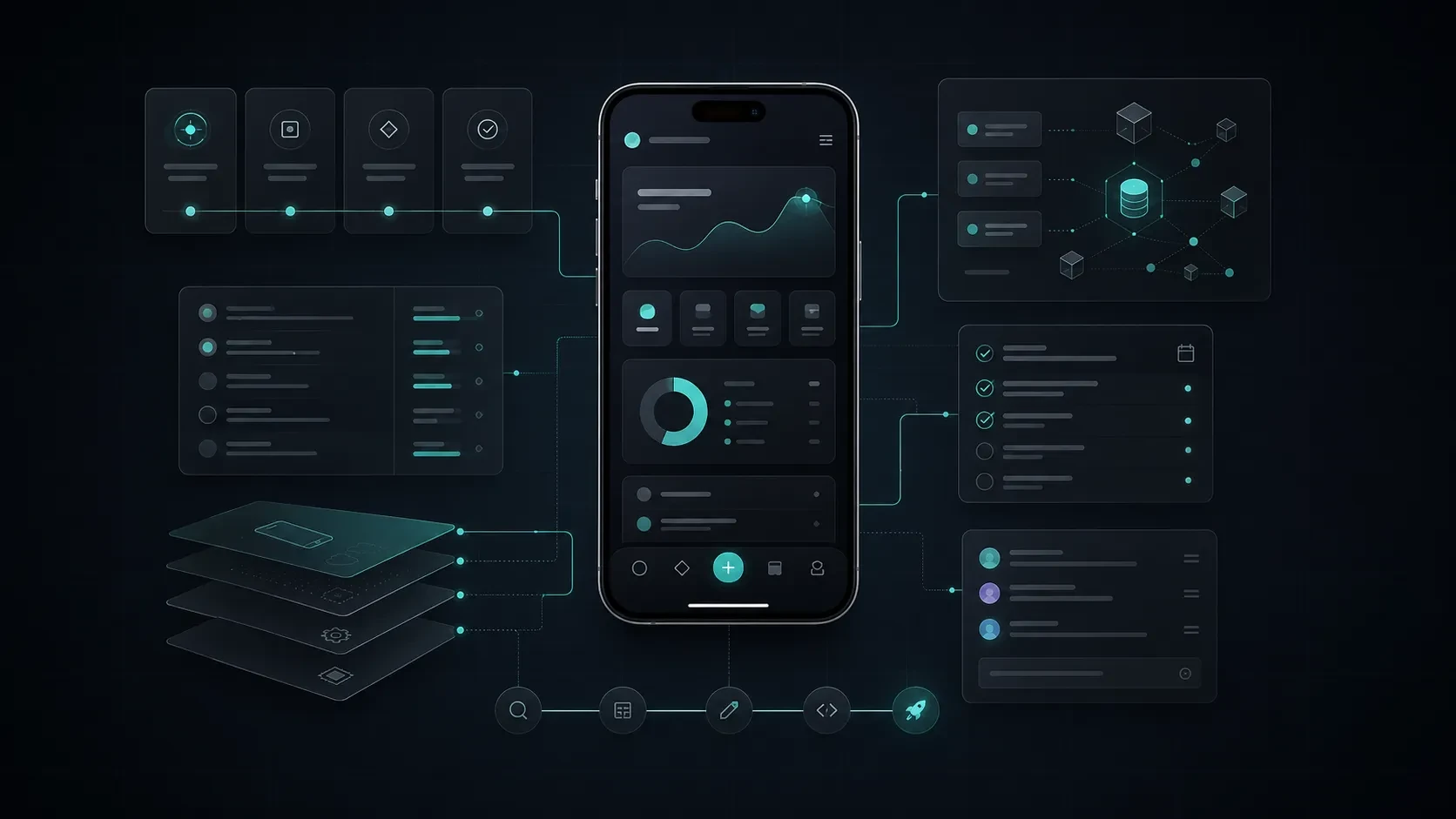
The right result in a mobile app project is not achieved only with good-looking screens. When the user problem, scope of the first version, technical infrastructure, store publishing process, delivery conditions, and maintenance plan are clarified at the beginning, the project progresses more controlled.
Most businesses that want to develop a mobile app start the project with a similar question:
What features should our app have?
This is an important question. However, a correct mobile app project is not planned only with a list of features.
The user problem the app will solve, the flows to be included in the first version, iOS and Android strategy, backend needs, store publishing process, test plan, and post-launch development approach should be evaluated together.
When these points are clarified, it becomes easier to both compare offers more healthily and to establish a foundation suitable for the long-term goals of the app.
In this guide, we will address the fundamental questions you can ask the software team or your business partner before having a mobile app made.
Why Are These Questions Important?
In mobile app projects, two proposals may seem to include the same feature titles.
However, while one team may only offer screen design and basic development scope, another team may address user flows, data structure, notifications, store publishing process, test plan, and post-launch maintenance needs together.
Therefore, in the proposal evaluation process, it is not enough to only look at the total budget or the number of screens.
The right questions make the scope of the project visible.
Thus, you can more clearly understand what the app will solve, what will be included in the first version, who will be responsible for what, and how the post-launch process will progress.
A well-planned mobile app project ensures that the business's goals, users' needs, and technical infrastructure progress in the same direction.
Product Goal and First Version Scope
The first step in a mobile app project is to clarify why the app will be developed.
When the goal of the app is only to 'also be on mobile', the first version may expand with unnecessary features over time. When the product goal is clear, teams can more easily determine which user flows to prioritize.
What Problem Will the App Solve?
This question forms the basis of all project decisions.
For example, will the app make it easier for customers to make appointments, manage field teams' tasks, support a loyalty program, or enable users to re-access content or services?
Clarifying the problem determines the app's main value proposition.
Then comes the question:
What is the most important action the user wants to perform when they open the app?
This action should be at the center of the first version.
Which Features Are Really Necessary in the First Version?
You don't have to implement all ideas in the first version.
A healthier approach is to identify the main flows that meet the users' basic needs and plan subsequent features based on usage data.
At this point, the following questions can be asked to the team:
What is the app's core user flow?
What action should the user be able to complete on first use?
Which features are mandatory in the first version?
Which features can be postponed to the second phase?
What is the core value that will make users return to the app?
With which metrics will we measure success in the first version?
For example, in a reservation app; registration, viewing available times, creating reservations, and receiving notifications may be sufficient for the first version.
Advanced loyalty systems, personalization, social features, or detailed reporting can be more accurately prioritized after observing user behaviors.
Technology and Platform Choice
The choice of technology in the mobile app development process affects the user experience, development plan, maintenance approach, and budget of the app.
This decision should be made according to the needs of the product, not according to the popular technology.
Will the App Be Released on iOS and Android at the Same Time?
Which devices your target users use and in which markets the app will be available are important for this decision.
In some projects, iOS and Android are targeted at the same time. In some projects, the first version meets users on a specific platform and opens to the other platform in the next phase.
Therefore, the following points need to be clarified:
What is the iOS and Android distribution of target users?
Is it necessary to have both platforms together in the first version?
Will the experience differ between platforms?
How will the store publishing schedule be planned?
Is React Native or Native Development More Suitable?
React Native allows progress with a common code base for iOS and Android. This approach can provide a strong foundation for many apps based on membership, reservation, loyalty, content, service, and API.
Native development may be more suitable for projects where interaction with device hardware is intense, high performance is required, or platform-specific experiences are at the core of the product.
You can ask the team the following questions:
Why is React Native considered suitable for this project?
In which needs would native development be more meaningful?
Will the app heavily use device features like camera, location, Bluetooth, NFC, or others?
Will platform-specific developments be required?
As the app grows, what kind of maintenance plan does the technology choice offer?
The right answer is not 'one technology for every project'. The product's usage, performance needs, relationship with the device, and long-term roadmap should be evaluated together.
Backend, Data, and Integration Needs
The visible face of a mobile app to the user is the screens. However, the fundamental structure that ensures the app works securely and sustainably is built in the background with user accounts, data flow, authorization, notifications, and integrations.
Therefore, the backend need should be clarified at the start of the project.
How Will User Data Be Managed?
If the app includes user registration, profile information, transaction history, files, payments, or personal data, data management becomes important.
At this point, the following questions are valuable:
How will users register and log in?
Will email, phone, social login, or corporate accounts be used?
Will there be different user roles?
What information will each user have access to?
Where will the data be stored?
How will users manage their accounts or information?
How will data security and backup processes be planned?
Which Systems Will the App Connect With?
Many mobile apps do not work alone.
It may need to connect with ERP, CRM, e-commerce system, reservation infrastructure, accounting software, payment system, map service, or customer support tool.
At this point, just asking 'will there be integration?' is not enough.
The following should also be clarified:
In which direction will the data move?
Which system will be the main data source?
How often will the information be updated?
What will happen when the connection is lost or an error occurs?
Who will maintain the integrations?
Do the existing APIs meet the app's needs?
These details directly affect the technical scope of the app and its post-launch operation.
Design and User Experience
In a mobile app, design is not just colors and screens.
The user's first time opening the app, registering, completing their primary task, understanding error states, and getting support when needed should be planned as a whole.
How Will the User Journey Be Designed?
A good mobile experience leads the user to the right action in the shortest way.
Therefore, the following questions can be asked to the team:
What will the user's first opening experience be like?
What information will the onboarding process include?
How simple will the registration or login steps be?
In how many steps will the user reach the main action in the app?
How will error, empty state, and loading screens be handled?
In which scenarios will notifications be used?
How will the app meet mobile accessibility needs?
Design decisions directly affect how comfortably users adopt the app.
Instead of a complex interface, an experience where the user can easily access the information and action they need should be targeted.
Is a Management Panel or Content Management Necessary?
If there will be campaign, content, product, user, notification, or report management within the app, the daily usage needs of the teams should also be planned.
Therefore, the following questions are important:
Who will manage the app content?
How will new campaigns, announcements, or content be added?
Who will have the authority to send notifications?
How will user support and complaints be tracked?
Which areas will the team be able to manage without technical support?
What user roles will be included in the management panel?
A good management experience strengthens not only the user side of the app but also the daily operations of the business.
App Store and Google Play Publishing Process
When the development of the mobile app is completed, the store publishing process begins.
This process covers many areas such as app descriptions, screenshots, privacy information, age ratings, permissions, test processes, and developer accounts.
Who Will the Store Accounts Belong To?
This question is especially important.
Opening App Store and Google Play developer accounts in the name of the business itself provides a healthier structure in terms of long-term ownership and access.
The following issues should be clarified:
In whose name will the Apple Developer and Google Play accounts be opened?
Who will have account access?
Who will prepare the app store descriptions and visuals?
Who will provide the privacy policy and terms of use?
How will the process be managed in case of store rejection or additional information request?
Who will manage the publishing process after app updates?
Is Store Publishing Included in the Project Scope?
In some projects, the app is only delivered; store publishing is carried out by the business. In some projects, publishing preparations and submission to the store are also included in the scope.
Therefore, the following points should be clearly stated during the proposal phase:
Are App Store and Google Play publishing preparations included?
How will the TestFlight or closed test process be conducted?
Who will prepare the app icon, screenshots, and store texts?
What tests will be conducted before publishing?
How will store requests that may arise after the first release be handled?
Testing, Security, and Quality Control
A mobile app looking good does not mean it will work smoothly under all conditions.
Different devices, operating system versions, internet connections, user behaviors, and error scenarios can affect the app's experience.
Therefore, the testing process should not be a short check done at the end of development but a natural part of the project.
In Which Scenarios Will the App Be Tested?
The following questions can be asked to the team:
On which iOS and Android devices will testing be done?
How will different screen sizes be handled?
How will the app behave with a weak internet connection?
What will happen if the user interrupts an operation?
Are error messages understandable for the user?
How will app crash and error logs be tracked?
Who will approve critical user flows?
How Will Security Be Addressed?
In apps containing user data, payment information, account accesses, or business data, security should be planned from the start.
Under this heading, the following questions are valuable:
How will user sessions be protected?
How will permissions be defined?
How will sensitive data be processed?
How will API accesses be secured?
What permissions will be requested in the app?
How will backup and error tracking processes work?
How will security updates be tracked?
Security is not just the agenda of the technical team. It is part of the trust the business gives to its users.
Delivery, Ownership, and Post-Launch Development
A mobile app project is not considered complete the day it is published in the store.
User feedback, operating system updates, new needs, and usage data over time reveal the development areas of the product.
Therefore, the delivery and maintenance process should also be clarified at the start of the project.
Who Will Own the Source Codes and Accesses?
This issue should be clearly stated during the proposal phase.
The ownership of the following accesses and assets should be clear:
Source codes
Git repository
Apple Developer account
Google Play Console account
Server and cloud services
Domain and DNS accesses
Analytics tools
Error tracking systems
Push notification services
Design files
Documentation
It is important for the business to have access to these areas for the long-term management of the product.
How Will the Post-Launch Process Progress?
Having a plan for the following topics in the post-launch process is beneficial:
Bug fixes
Performance improvements
Operating system updates
Security updates
User feedback
New feature requests
Evaluation of analytics and usage data
Product roadmap meetings
Therefore, the following questions can be asked to the team:
What is included in the post-launch support scope?
How will the support duration and communication model be?
How will new features be prioritized?
Is a separate plan or contract required for maintenance?
How will the intervention process work if a critical error occurs?
With which metrics will we track the app's success?
Codezone's Approach
At Codezone, we shape mobile app projects by considering the product goal, user experience, technical infrastructure, and post-launch development plan together.
In each project, we evaluate together what need the app will respond to, what actions users will regularly perform, and what result the business expects from the first version.
This framework shapes the MVP scope, the choice of React Native or native development, backend needs, user roles, store publishing process, and management experience.
When we bring together the relationship the brand will establish with its users, the daily operational needs of the team, and the long-term development capacity of the product in the same structure; the first version offers a clearer value.
At Codezone, we consider mobile apps not as screens on the App Store and Google Play, but as product experiences that users repeatedly benefit from and that businesses can develop over time.
Conclusion
Asking the right questions before having a mobile app made is important not to narrow the scope of the project, but to establish a more accurate product foundation.
When the product goal, first version scope, technology choice, backend need, design, store publishing, testing, delivery, and maintenance processes are clarified at the beginning; teams progress towards the same goal.
This approach ensures that users have a stronger experience and that the business can manage the app more comfortably in the long term.
Good mobile apps start with a clear problem definition. They are planned with the right questions. They develop with user data.
Frequently Asked Questions
Do I need to have technical knowledge before having a mobile app made?
No. It is more valuable for the business to clearly describe the user problem, goals, daily operations, and the result expected from the first version. The technical team should translate these needs into appropriate product and technology decisions.
What should be determined first in a mobile app project?
First, it should be determined what problem the app will solve and what basic action the user will perform. Once this core flow is clarified, the MVP scope, design, and technical needs can be planned more healthily.
Should App Store and Google Play accounts be in the name of the business?
For long-term ownership and access, it is a healthier structure for the accounts to be opened in the name of the business itself. The technical team or business partner can be involved in the process with the necessary access permissions.
Should source codes be delivered at the end of the project?
This issue should be clarified with the contract and delivery scope at the start of the project. The ownership of source code, design files, store accounts, server accesses, and technical documentation should be clearly defined.
Is support necessary after the mobile app is launched?
Yes. Operating system updates, user feedback, bug fixes, security needs, and new features are part of the app's post-launch development process.