
What is a Digital Product? The Process from Idea to Product

What is a digital product and how does an idea turn into a working product? Explore the user problem, MVP scope, design, technical infrastructure, and post-launch development process.
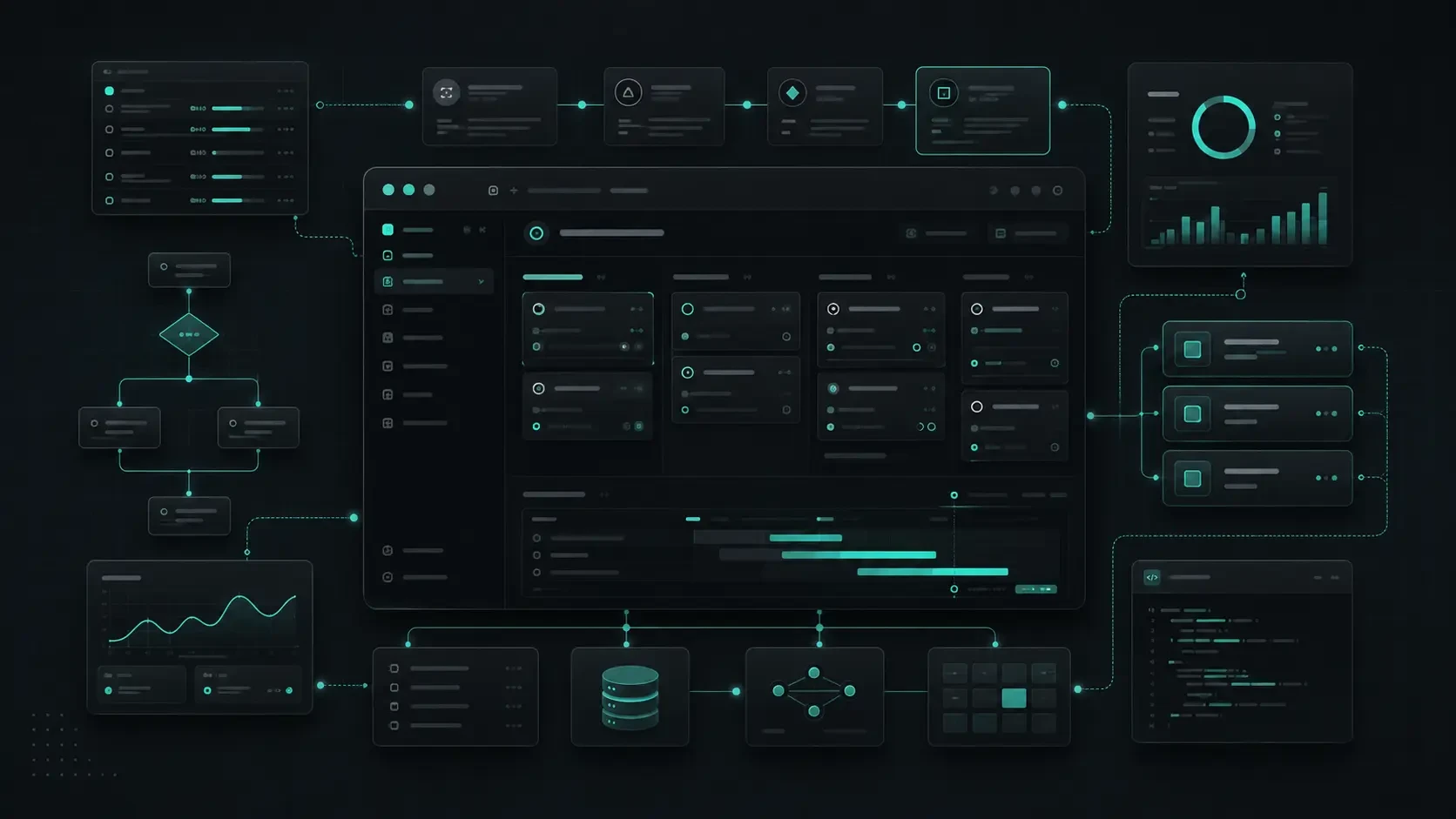
A digital product is a software-based experience developed to solve a specific user problem, evolving over time with data and user feedback. This guide covers the basic steps from the idea stage to the first release, from technical planning to the product development process.
A digital product is not just software or a mobile app that works on the internet.
It is a product experience developed to meet a specific user need, facilitate a repetitive process, or make the value offered by the business accessible through digital channels.
A SaaS platform, customer portal, appointment system, operations panel, membership application, content platform, or in-house management tool can be considered a digital product.
Digital products are not usually structures prepared and left once. They evolve based on user behaviors, business needs, operational processes, and new opportunities.
Therefore, the product development process does not consist only of design screens or technical infrastructure.
The user problem, target audience, business model, first release scope, data structure, management needs, and post-launch development plan should be evaluated together.
In this guide, we will discuss what a digital product is and how an idea turns into a working, manageable, and open-to-development product.
What is a Digital Product?
A digital product is a software-based solution that allows users to perform a specific task more easily, quickly, or in a controlled manner.
The common point of these products is that they respond to a recurring need of users.
For example, a gym's membership tracking system can allow customers to manage their workout plans and reservations. A logistics company's operations panel can help track delivery processes from a single center. A content platform can allow publishers to plan, edit, and connect their content with users.
Digital products can appear in different forms:
SaaS platforms
Web applications
Mobile applications
Customer portals
Dealer and order management systems
Management panels
Content management systems
Reservation and appointment systems
Education and membership platforms
Operations and field team applications
Finance, reporting, or analysis tools
What makes a digital product valuable is not the number of screens it contains, but how clearly and sustainably it solves the problem the user faces.
The Difference Between Digital Product, Website, and Web Application
These three concepts are often used interchangeably. However, their purposes and usage methods are different.
Website
A website is mostly used to describe a brand, service, product, or institution.
Corporate websites allow visitors to get to know the company, review services, access content, and get in touch.
The main purpose is usually to provide information, build trust, and direct the visitor to the right action.
Web Application
A web application is a more interactive structure where users perform specific tasks.
It may include areas such as user accounts, data entry, reporting, order management, content creation, task tracking, or authorization.
For example, a customer panel, project management tool, or inventory tracking system can be considered a web application.
Digital Product
A digital product represents a broader perspective than a website or web application.
At the core of a digital product are the user problem, product experience, business model, operation, and continuous development.
A digital product can be a web application, mobile application, or a system covering both platforms. However, what makes it a product is not its technical form but its regular value production for the user.
For example, a customer portal starts to become a product when it goes beyond being just a login screen and allows customers to manage their requests, access information, and track their processes.
How to Evaluate a Product Idea?
A product idea often starts with the thought, “It would be nice if there was such a platform.”
However, the main question at the idea stage is not whether the product is technically feasible.
First, the following questions need to be clarified:
What problem does this product solve?
Who is experiencing this problem?
How does the user solve this problem today?
Why is the current method insufficient?
What is the value that will make the user return to the product?
What result does the business expect from this product?
A good idea does not become strong just because it is interesting. It gains value when it touches a real need experienced by the user.
For example, if the proposal preparation process of businesses progresses scattered among different files, emails, and spreadsheets, a product that consolidates this process in one area can be meaningful.
However, if the same product is developed only with the thought of “let's have a panel,” it may not be clear why users would use it.
To understand whether a product idea is strong, it is necessary to define the problem before the solution.
How to Determine the User Problem and Target Audience?
In the digital product development process, it is not enough to think of the user as a general audience.
Questions such as who will use the product, under what conditions, and what result they want to achieve should be clarified.
For example, “business owners” is a very broad user definition.
Instead, the following definition might be more useful:
Business owners who have multiple branches, manage daily operations with different teams, and want to track processes from a single center.
This level of clarity directly affects product decisions.
What is the User's Main Task?
At the heart of every digital product is one or several main tasks.
In an appointment application, this task might be creating an appointment. In an education platform, it might be accessing courses and tracking progress, while in a management tool, it could be creating tasks and monitoring the process.
The following questions are important in product planning:
Why will the user open the application?
What task should they complete in the first five minutes?
What is the value that will make them open the application again?
What information do they want to access quickly?
At what point do they need support or explanation?
The answers to these questions shape user flows, screen structure, data model, and MVP scope.
The Target Audience May Not Consist of a Single User
Some products have multiple user roles.
For example, in a reservation platform, the customer, service provider, and administrator require different experiences. In an operations product, field staff, team managers, and company executives may use different screens.
For each user role, the following points should be clarified:
What information will they access?
What tasks will they be able to perform?
What data will they be able to see?
What tasks will require approval?
What notifications will they receive?
Defining user roles at an early stage makes the product's experience and security structure healthier.
How to Create the First Version and MVP Scope?
The first version does not have to be a small version of all the features the product may have in the future.
A good first version offers a start that meets the user's basic need and allows testing the product's value in a real usage environment.
This approach is often referred to as MVP.
The purpose of the MVP is not to leave the product incomplete. It is to present the most important experience for the user correctly and plan the next steps of the product based on real data.
Divide Features into Three Groups
When planning the first version, it is helpful to divide features into three groups.
Features to be included in the first version
These are the areas necessary for the user to complete the basic task.
For example, in an order management product, order viewing, order status updating, and basic user permissions may be important for the first version.
Features to be planned based on usage data
These are areas that enrich the product but can be prioritized more accurately after observing user behavior.
Advanced filtering, personalized recommendations, detailed reports, or automations can fall into this group.
Ideas to be evaluated in the product roadmap
These are ideas that seem interesting at the initial stage but whose impact on the core use of the product is not yet clear.
Keeping these ideas in the product roadmap without losing them makes it easier to evaluate them at the right time later.
How to Clarify the MVP Scope?
MVP planning should start with user flows before the screen list.
For example, after a user logs into the application:
They should be able to understand what to do.
They should easily access their main task.
They should be able to see the result when they complete the task.
They should understand the next step.
They should be able to access support or information if needed.
Once this flow is clarified, the necessary screens and technical needs for the first version are more easily determined.
How to Plan Design, Technical Infrastructure, and Operations?
In the digital product development process, design, technical infrastructure, and operations are not separate decisions.
The experience a product offers to the user is shaped not only by the design on the screens but also by data flow, user permissions, content management, notification system, and backend business rules.
Design and User Experience
Product design is not just about creating beautiful screens.
The user's first entry into the product, performing the basic task, understanding error situations, and using the product comfortably over time should be considered together.
In a good product experience, the following areas are important:
Information architecture
Main user flows
Navigation structure
Form and transaction experience
Empty states
Error messages
Loading and waiting states
Mobile and desktop compatibility
Accessibility
Consistent design system
Technical Infrastructure
Technical infrastructure ensures that the product not only works today but can also evolve when the number of users, data volume, and new needs increase.
The following areas should be evaluated during the planning stage:
User registration and login methods
User roles and authorization
Data structure
API and integration needs
Management panel requirements
Security approach
File and media management
Notification and email flows
Performance targets
Backup and error tracking processes
Operations and Management
After a digital product is launched, which areas the teams will manage should also be considered initially.
For example, management areas may be needed for content addition, user management, support requests, reporting, campaign creation, or updating product data.
When the daily working style of the product team and operations teams is understandable, the technical infrastructure is shaped according to real needs.
How Does a Digital Product Develop After Launch?
In digital products, the launch day is not the end of the development process; it is the point where real usage data begins.
Which flows users use, which screens they struggle with, and which features produce real value become more visible after launch.
Some areas that can be tracked at this stage are:
Number of active users
User return rate to the product
Completion rate of main tasks
Most frequently used screens
Flows users leave incomplete
Areas where support requests are concentrated
Error and performance logs
New feature requests
User feedback
Impact on business goals
This data is used to shape the next version of the product.
The product development process is more about strengthening areas that produce value for the user rather than adding more features.
Therefore, the product roadmap should be regularly reviewed; user needs, technical capacity, and business goals should be evaluated together.
Codezone's Digital Product Approach
At Codezone, we approach digital products as long-term systems shaped by user needs, business goals, and technical infrastructure.
In each project, we first evaluate which problem the product will solve, which tasks users will regularly perform, and what result the business expects from this product.
This framework creates user flows, the first version scope, technical architecture, management areas, and the product development roadmap.
When we align product strategy, design experience, and development process towards the same goal, the first version offers a clearer value proposition, and subsequent developments proceed with more solid decisions.
At Codezone, we develop digital products not just as working software but as product experiences that users repeatedly benefit from and that businesses can grow over time.
Conclusion
Developing a digital product is a more comprehensive process than bringing an idea to screens.
When the user problem, target audience, core value of the product, first version scope, technical infrastructure, and post-launch development plan are evaluated together, a stronger product foundation is formed.
Asking the right questions at the beginning strengthens the focus of the teams, ensures that the first version offers a more meaningful experience, and helps plan subsequent investments more consciously.
Good digital products start with the real needs of users and evolve with real usage data.
Frequently Asked Questions
Is a digital product the same as SaaS?
SaaS is a type of digital product. It usually refers to software that users access over the internet and is offered with a subscription model. However, not all digital products are SaaS. Customer portals, mobile applications, management panels, or in-house tools can also be digital products.
How long does it take to develop a digital product?
The duration varies depending on the scope of the product, user roles, technical infrastructure, integration needs, and features to be included in the first version. Creating a clear MVP scope allows for healthier planning of the development process.
Should every idea turn into a digital product?
Not every idea may be suitable for productization. First, the problem experienced by the user, how frequently this problem occurs, and whether the product will produce regular value for the user should be evaluated.
Is a mobile application necessary for a digital product?
It is not always necessary. Some products may offer a stronger experience as a web application. A mobile application becomes more meaningful in scenarios where users need regular access while on the move or need to utilize device features.
Should all features be included in the first version?
The first version should include features that meet the user's basic need and present the core value of the product. Other features can be planned for subsequent versions based on user behaviors and business goals.